 Netwrck
Science Fiction.
Symptoms of Absence
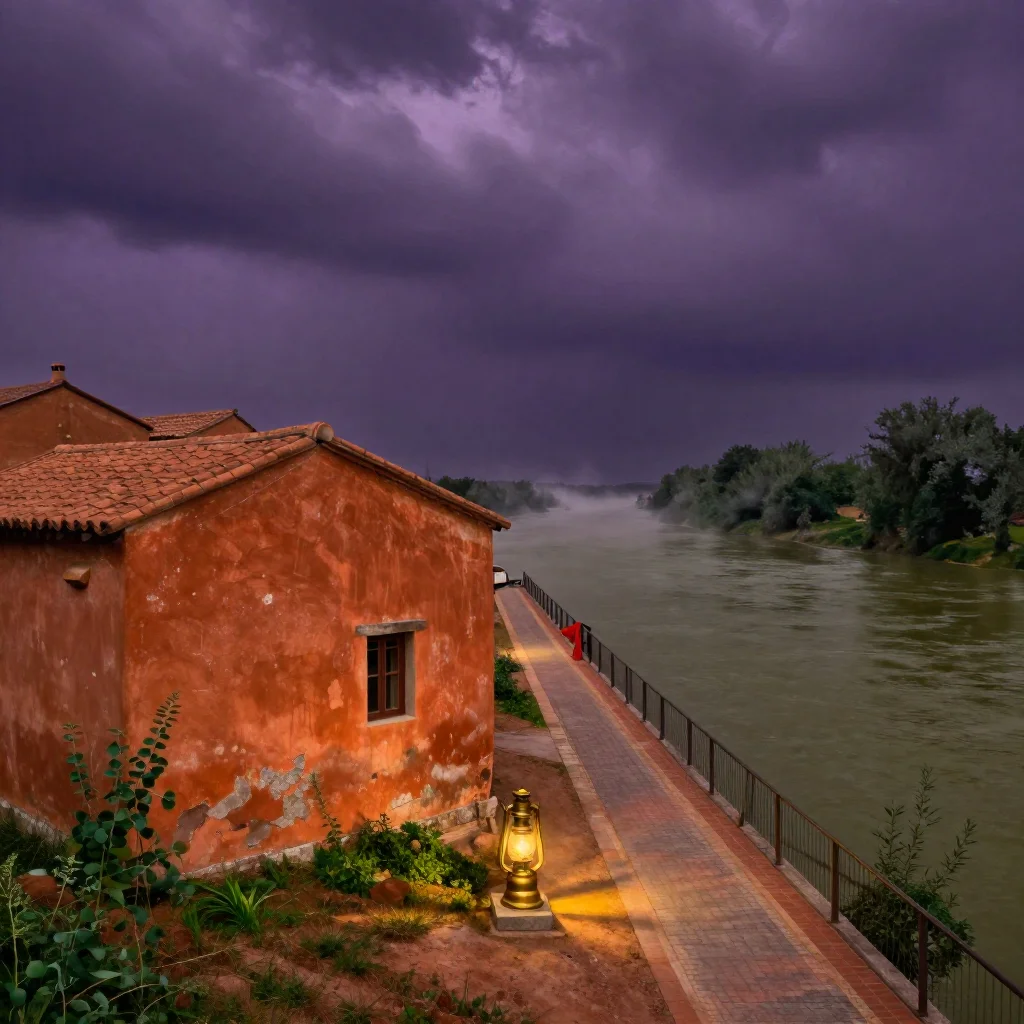
Mara Venn knew a homesick house by its silence. Not the ordinary silence of empty rooms, but a held breath in the mortar, a faint metallic taste beneath the floorboards, doors refusing to recognize thresholds. Bellwether’s houses were promises made of terracotta and eucalyptus beams. The river watched those promises from its brown-green bed, recording every kindness spoken over its bridges.
On Tuesday morning, the house where Mara and her brother, Elian, had grown up began losing its color from the corners inward. She diagnosed it after touching a damp wall and finding no pulse.
“Separation fever,” she told Elian, who was folding the red scarf into smaller and smaller squares beside the kitchen table. “It happens when everyone leaves carrying a different version of the past.”
Elian looked at his ticket. The 7:13 northbound train would take him across the river, through the eucalyptus country, and away to a life that had stopped requiring siblings. “Then let the house be sick,” he said. “It has had practice.”
Mara packed her medicines: a bottle of iron water, three nails wrapped in linen, a spool of blue thread, and the small brass key their mother had left without a lock. That evening she climbed onto the roof and found the western gable fading to the color of weak tea.
Stationmaster of Last Chances
At Bellwether Central, the station kept two clocks, one showing the time and another showing the time people had wasted. Stationmaster Orin Voss believed endings were scheduling errors. He had stopped married couples from boarding by turning the departure board to their wedding date. He detained a funeral procession when its speakers arrived out of order.
Mara found him polishing the signal lantern.
“My house is leaving before I am,” she said.
Orin consulted a ledger of pencil-thin entries. “Then cancel the departure.”
“The person is not a train.”
“Everything arrives somewhere.” He closed the ledger, revealing a fresh line: ELIAN VENN — 7:13 — DESTINATION UNLISTED.
Elian stood beyond the iron bars, the red scarf looped around his throat. He had said he was tired of Bellwether. Mara knew the reason. Fifteen years ago, their mother had crossed the river in a storm to fetch medicine. She returned with fever, confusion, and no memory of either child. The house had repeated one last sentence until everyone believed it was hers: Go with your brother.
Elian had obeyed. Mara had stayed to nurse the house.
Now both truths waited at the platform: their mother had sent them apart, and neither had ever asked why.
What the River Witnessed
Orin lent Mara the red signal lantern. River promises could be repaired only while a witness was still burning.
She crossed the footbridge, holding the lantern beneath the eucalyptus branches. In the muddy shallows lay a ribbon of red wool, stiff with silt. When she lifted it, the river released a chorus of remembered voices: her mother laughing over a fever, Elian calling from the far bank, young Mara screaming that she had pushed him away.
The memory struck with cold force. Their mother had not forgotten them. She had forgotten the name Mara, calling her Rose instead.
Behind Mara, the sick house groaned across the water. Its lit windows stretched like pale flags in the bruised-fruit sky.
She hurried home with the found scarf. “She remembered your red scarf,” she told Elian, wrapping it around his ticket. “Not your name.”
“It was hers.”
“No. You borrowed it from the coat hook because the scar on your wrist made you feel brave.”
His face changed. He unwrapped the ticket. On its reverse, faded by years in his wallet, was the sentence their mother had written before her fever: Neither of you has to leave first.
The 7:13
At three minutes to seven, the stationmaster sounded his bell. The ticket remained in Elian’s hand, untouched by the platform crowd.
“Call it again tomorrow,” Mara said.
Elian shook his head. “Tomorrow makes the answer easier and the repair worse.” He held out his wrist, exposing the pale seam above the scar: the first attempt Mara had made at tying the red scarf, seven years old, too tight.
She knew how to treat that wound. Clean it. Open the skin. Let circulation return.
Using her smallest key, she scored the old ink around the ticket’s departure time: 7:13. On the house, the fading gable brightened from gray to terracotta.
The train pulled away empty except for a thermos, a letter, and a girl who had boarded years ago without announcing that she expected anyone to follow.
Orin turned the destination board toward the river. In Orin’s narrow hand appeared: BRIDGE — ARRIVING NOW.
That night, the house stood squarely on its foundations, every door opening without complaint. Elian slept in his old room. Mara hung the mud-stained scarf over the warm flue.
Later, she heard the river murmur beneath the floorboards. Not a farewell, she thought, but a witness finally agreeing with the record.





